

KNOWLEDGE CENTER
Technical knowledge center for furniture mechanisms
Technical content about sofa mechanisms, bed base lift systems, connection components, table and coffee table mechanisms and production quality, written with direct answers, references and related product context.
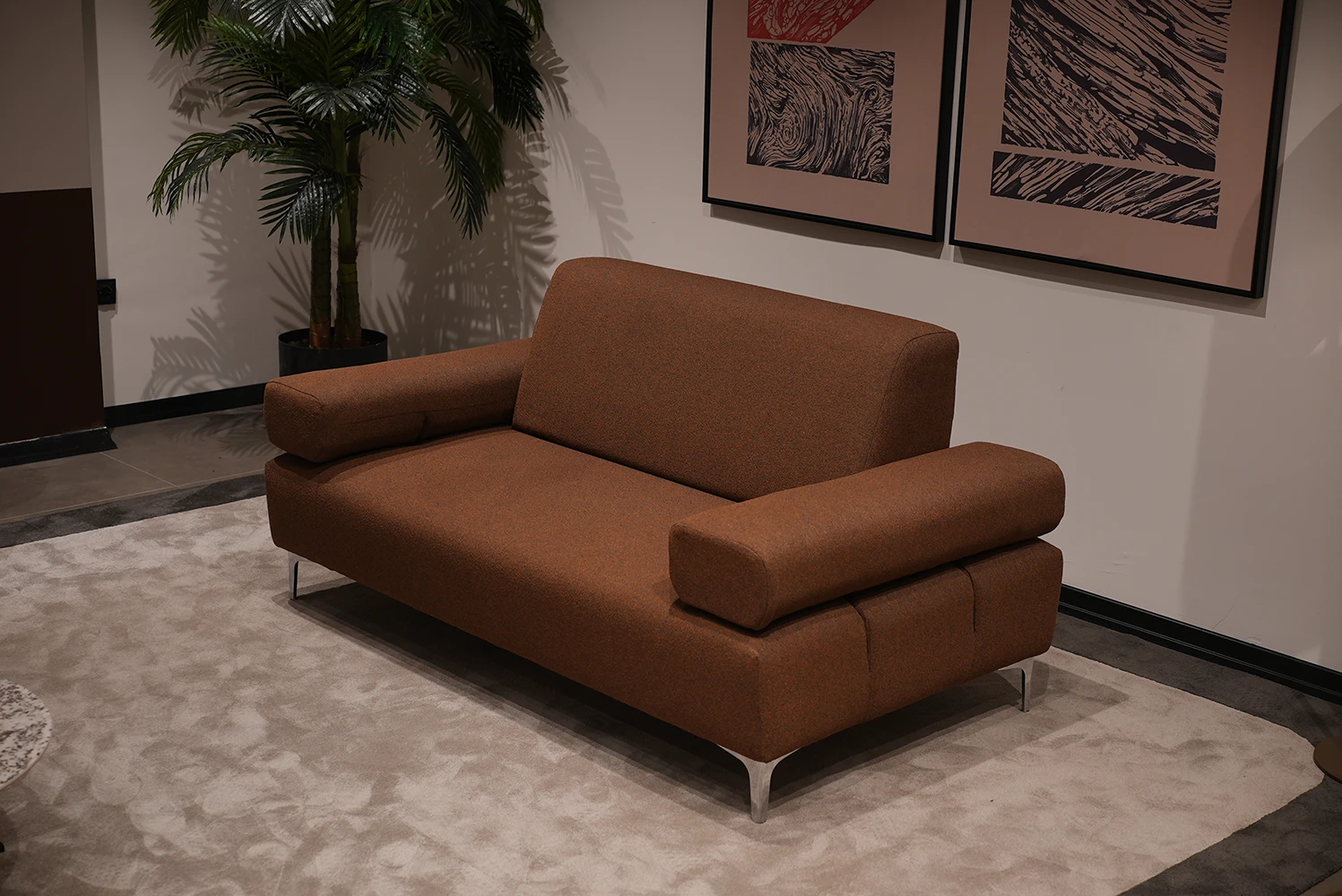
How should a sofa mechanism be selected?
A sofa mechanism should be selected by defining the intended function first: standard seating, deep seating, relax motion or bed function. Frame size, wall clearance, assembly method, technical drawing availability and quality standard should then be evaluated together.
Read guide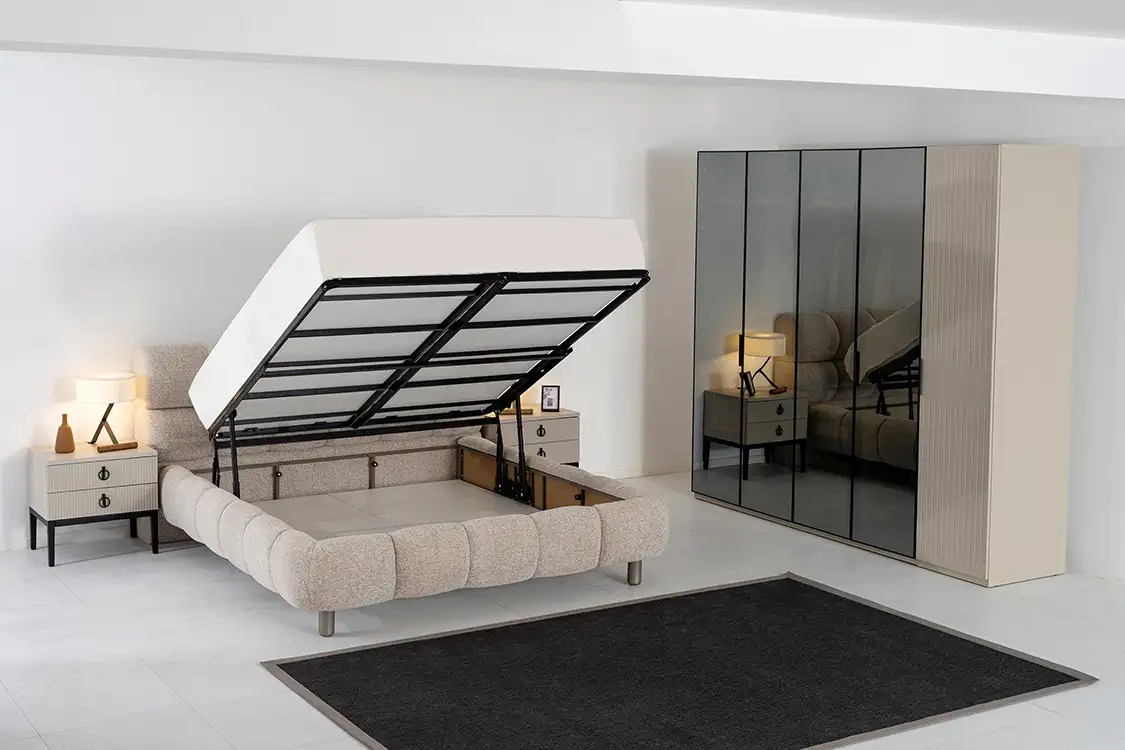
How is a bed base lift mechanism selected for safe use?
A bed base lift mechanism should be selected by evaluating frame dimensions, mattress weight, opening angle, connection points and gas spring force together. For safe use, assembly must follow the installation scheme, left-right balance must be preserved and the product should be tested under real load before mass production.
Read guide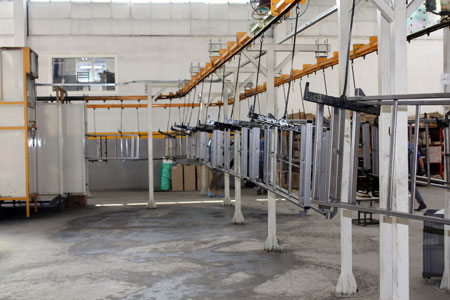
Why do powder coating and surface finishing matter in metal mechanisms?
Surface finishing in metal mechanisms is critical not only for appearance but also for service life and operating reliability. Chemical cleaning, the correct coating process and electrostatic robotic powder coating reduce corrosion risk, improve surface consistency and support production quality standards.
Read guide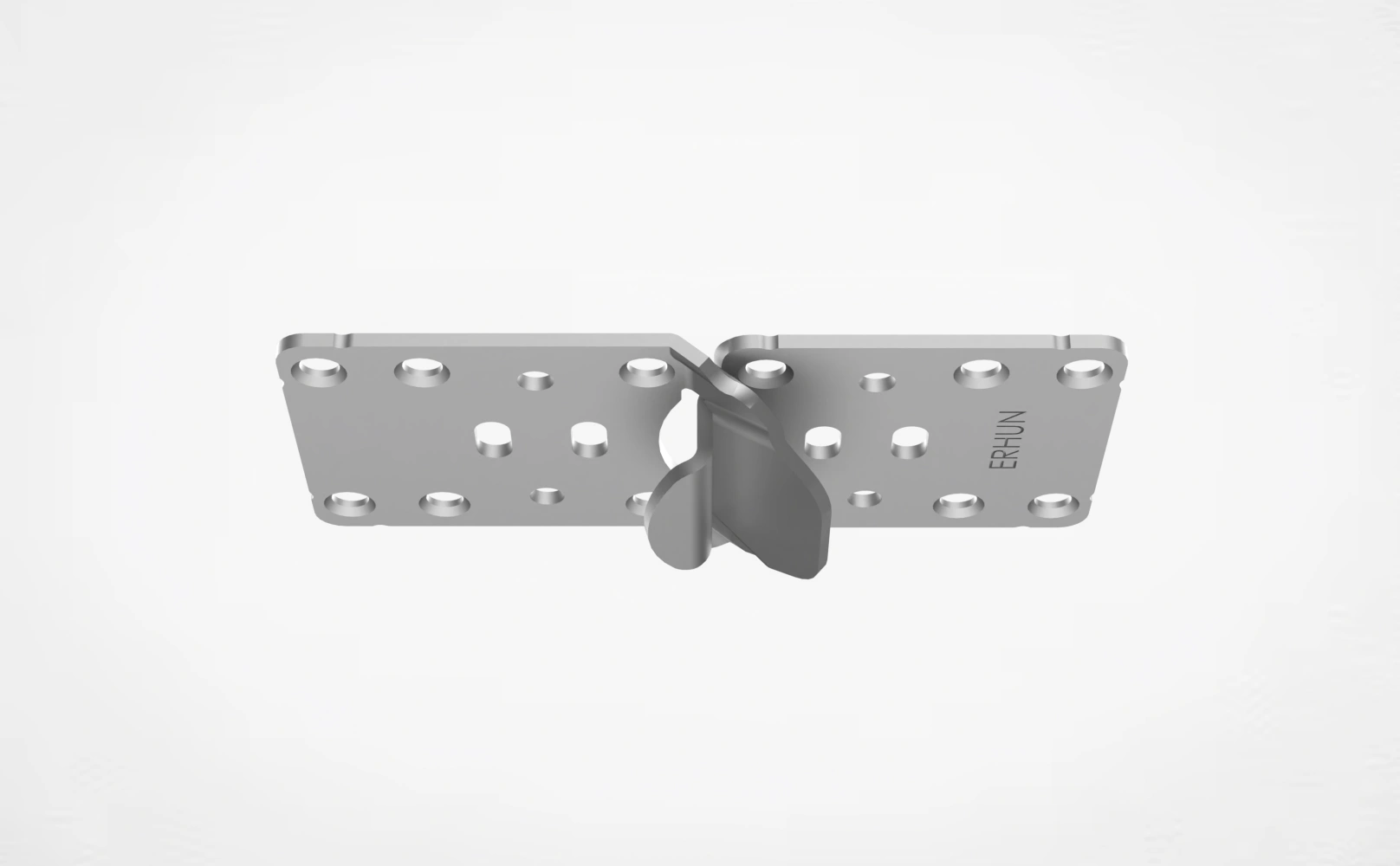
How should a connector be selected for modular sofas?
A modular sofa connector should be selected by evaluating locking gap, assembly direction, fabric surface impact and ease of disassembly during service. A good connector keeps modules stable, avoids visible screws or holes on outer surfaces and can be applied quickly in production.
Read guide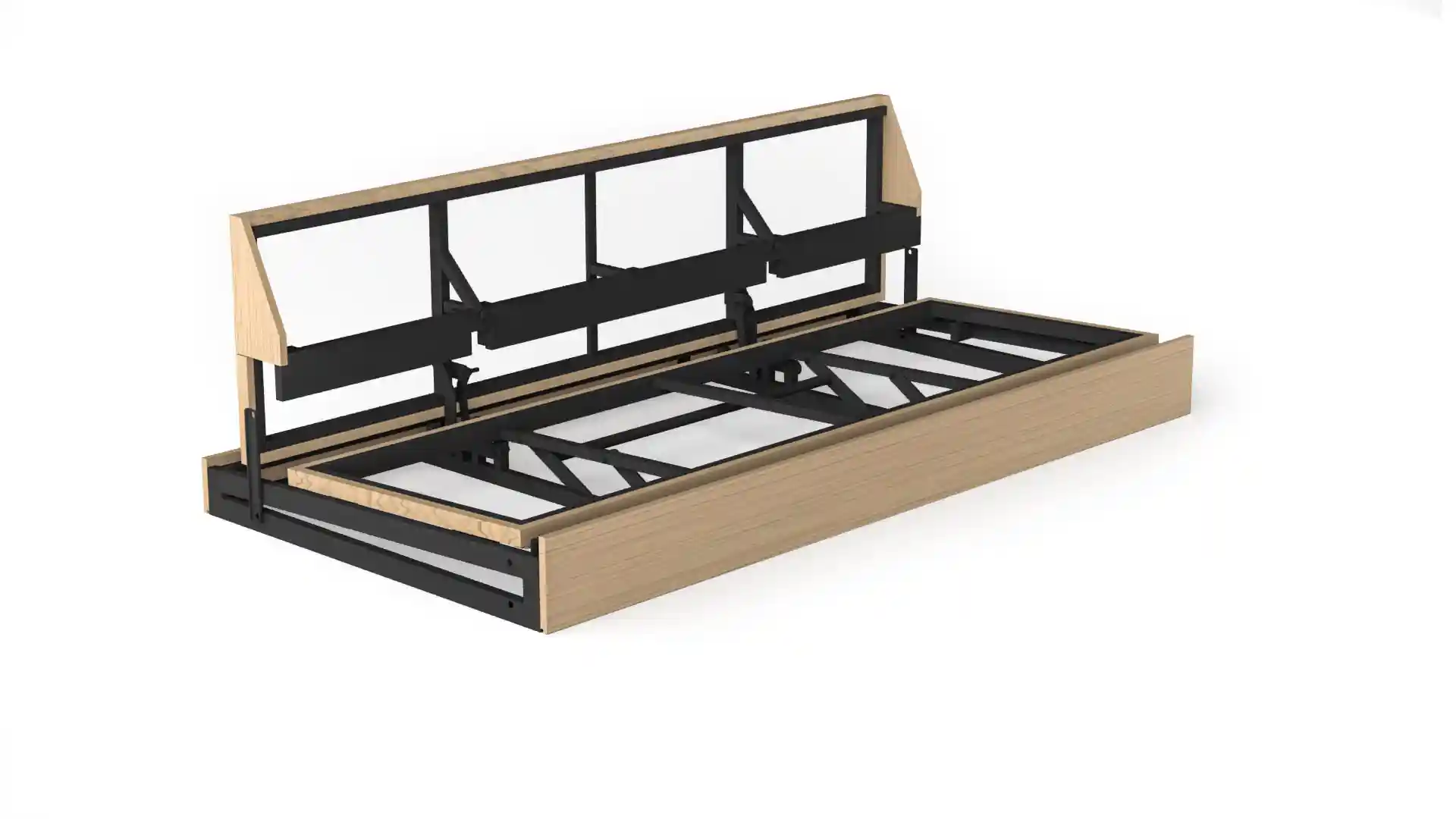
What is a zero sofa mechanism and where is it used?
A zero sofa mechanism is a motion system that allows a sofa to operate close to the wall. Frame dimensions, opening direction, wall clearance, seat height and assembly method in the production line should be evaluated together when selecting the mechanism.
Read guide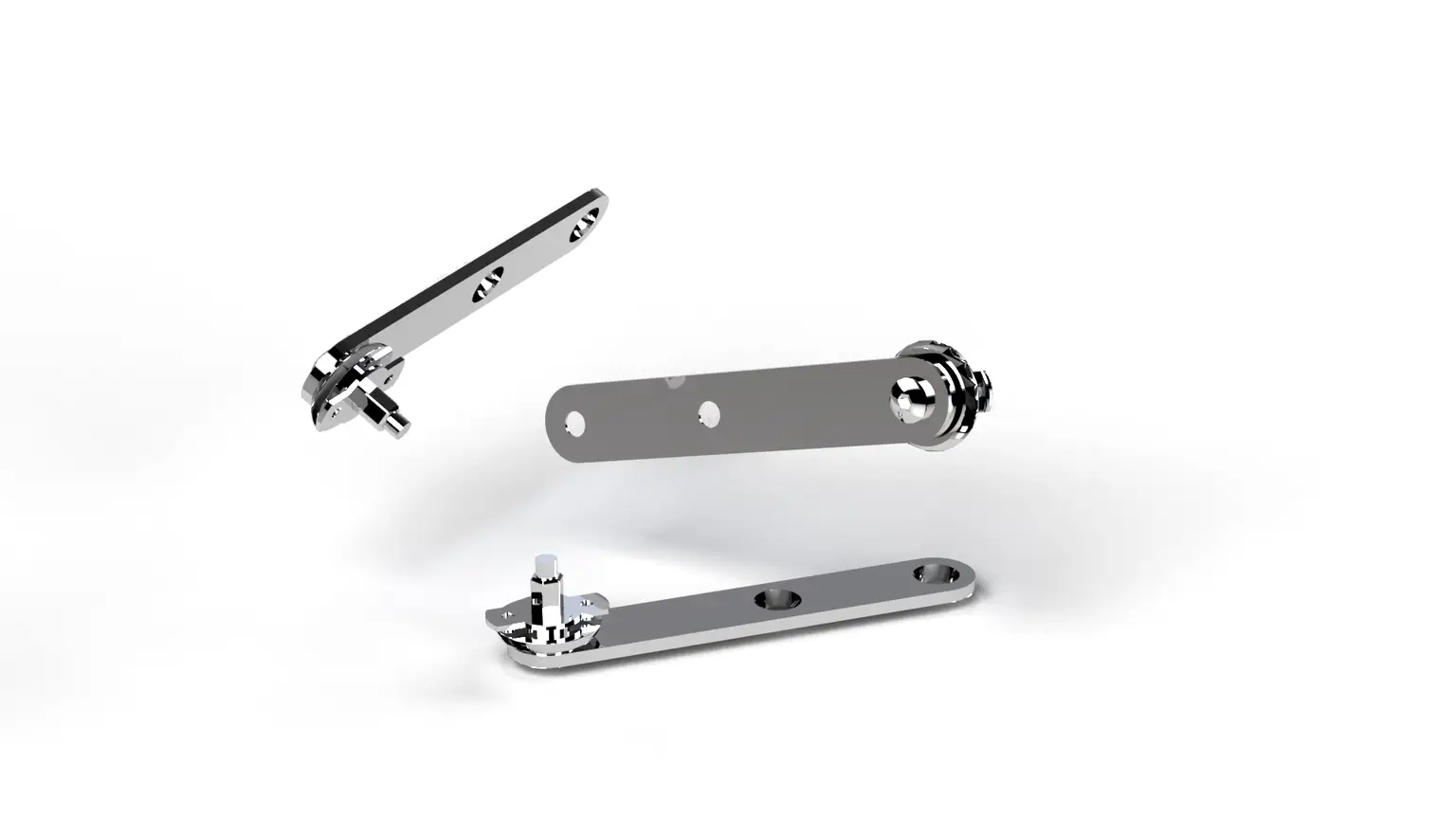
What should be considered when selecting a CSS sofa-bed mechanism?
When selecting a CSS sofa-bed mechanism, intended function, inner frame dimensions, bed opening size, back movement, locking requirement and upholstery tolerance should be evaluated together. The right match helps the sofa work consistently in both seating and bed modes.
Read guide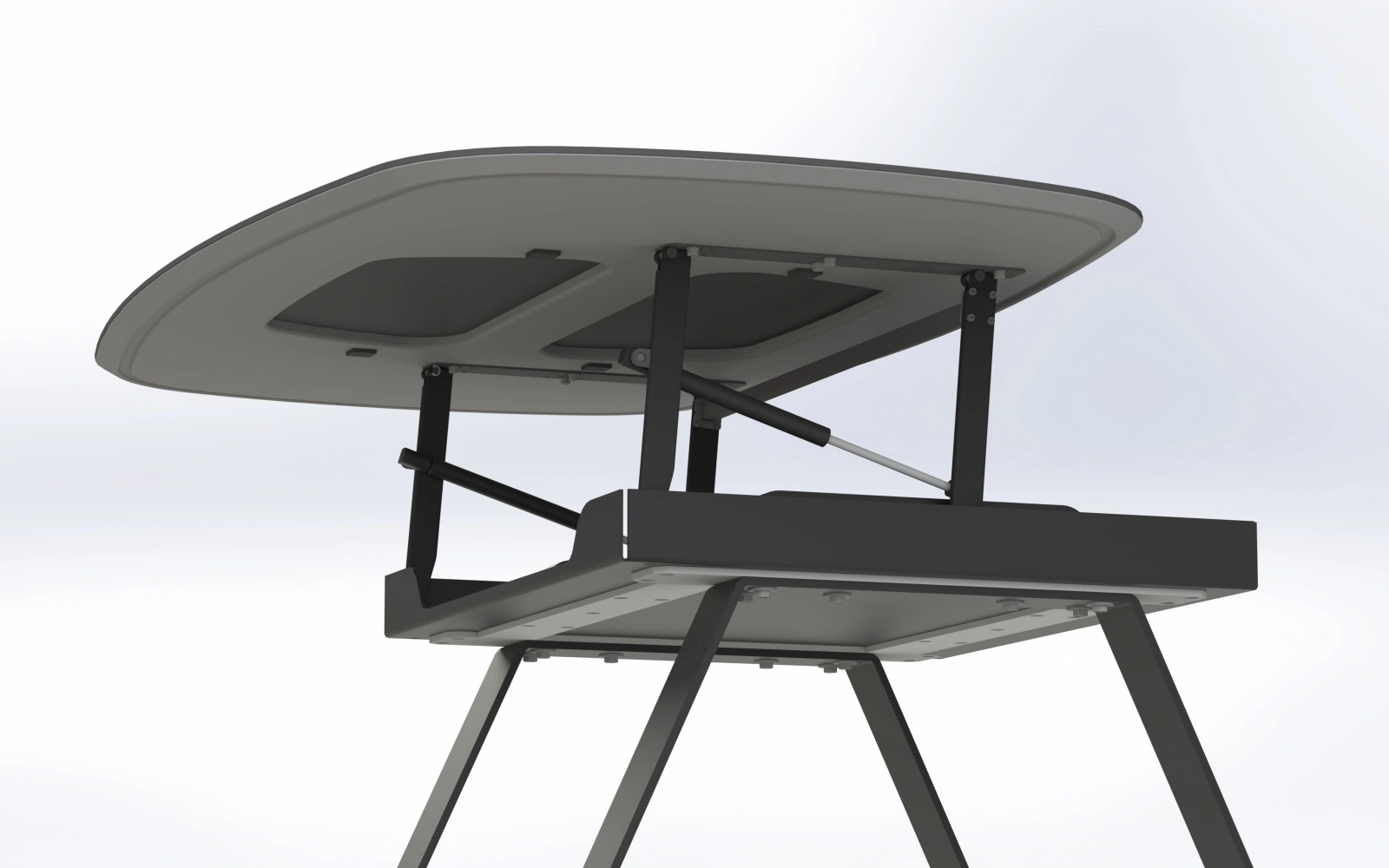
Which criteria matter when selecting table and coffee table mechanisms?
When selecting table and coffee table mechanisms, tabletop size, expected load, movement direction, user motion, connection points and product balance in closed/open positions should be checked together. The mechanism should not only provide movement but also preserve usability and safety.
Read guide
What do robotic welding and powder coating provide in Erhun manufacturing quality?
Robotic welding and electrostatic powder coating provide repeatable strength, more consistent surface quality and standardized results in mass production. In Erhun's manufacturing approach, welding, surface preparation, coating and assembly are quality steps that directly affect product life and service needs.
Read guideDifferences between CSS 2, CSS 3 and CSS 4
CSS 2 provides the core function and a short-trim option; CSS 3 adds standard, stop/stepped and eco variants; CSS 4 uses a reduced-screw structure with round plastic or zamak surface options. CSS 4 ABS differs through single-screw assembly and an ABS structure suitable for knock-down shipment.
Read guideWhich bed hinge mechanism suits which size?
A bed hinge mechanism should not be selected only by nominal sizes such as 160, 180 or 200 cm. Bed-base geometry, mattress and lid weight, gas-spring rating, opening direction and connection points in the technical drawing must be verified together.
Read guideHow is a zero-wall sofa mechanism selected?
When selecting a zero-wall mechanism, evaluate not only the opening motion but also the two-seat, three-seat or corner configuration, fixed or removable cushions, leg height and target bed size. Test the frame prototype through full opening and closing cycles with the actual upholstery.
Read guide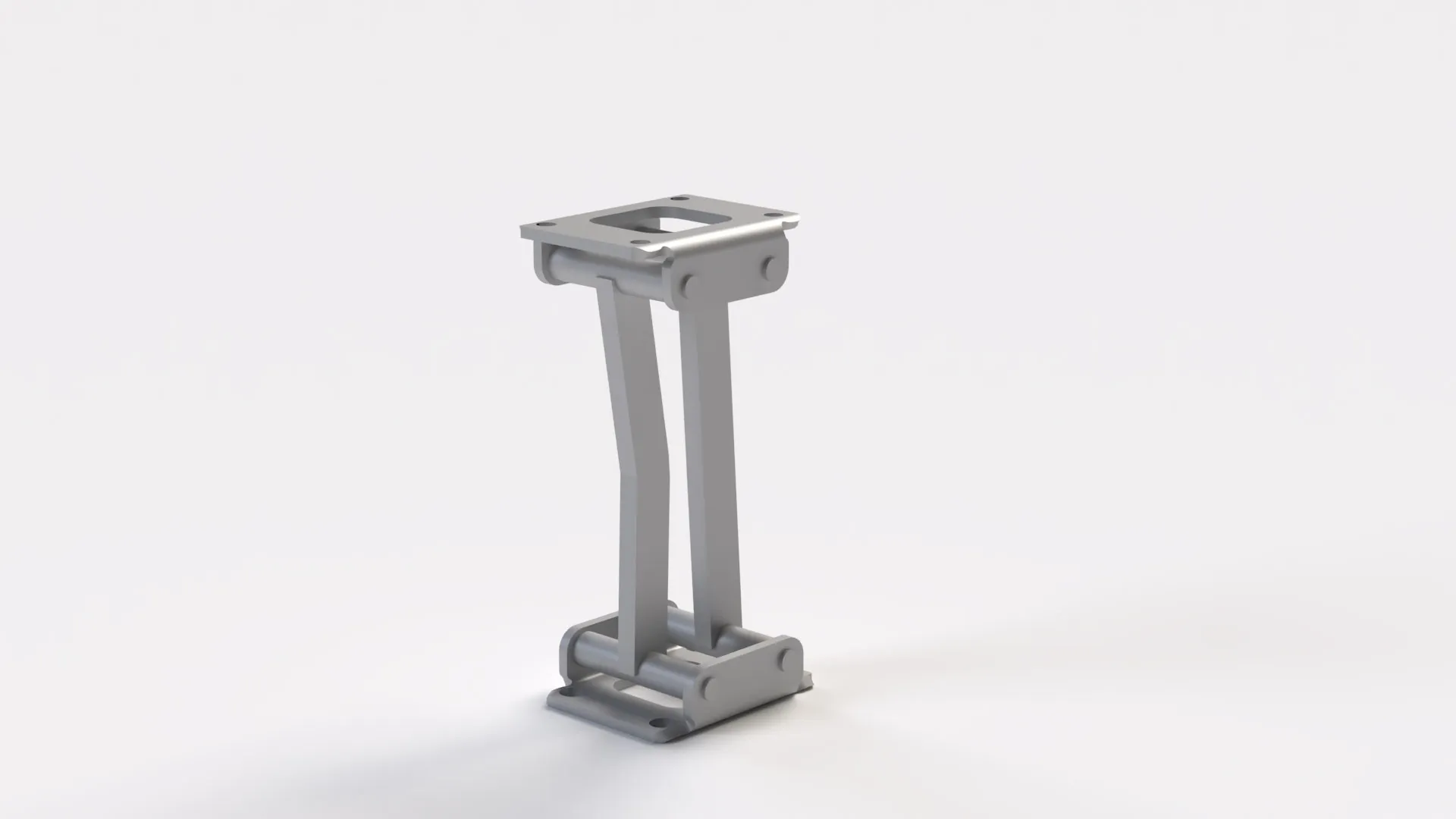
Common furniture mechanism assembly errors
The most common errors are mixing left and right parts, off-axis connection holes, incorrect fasteners, upholstery entering the motion area and releasing production without a full-cycle test. An assembly sheet and first-piece approval reduce these risks.
Read guide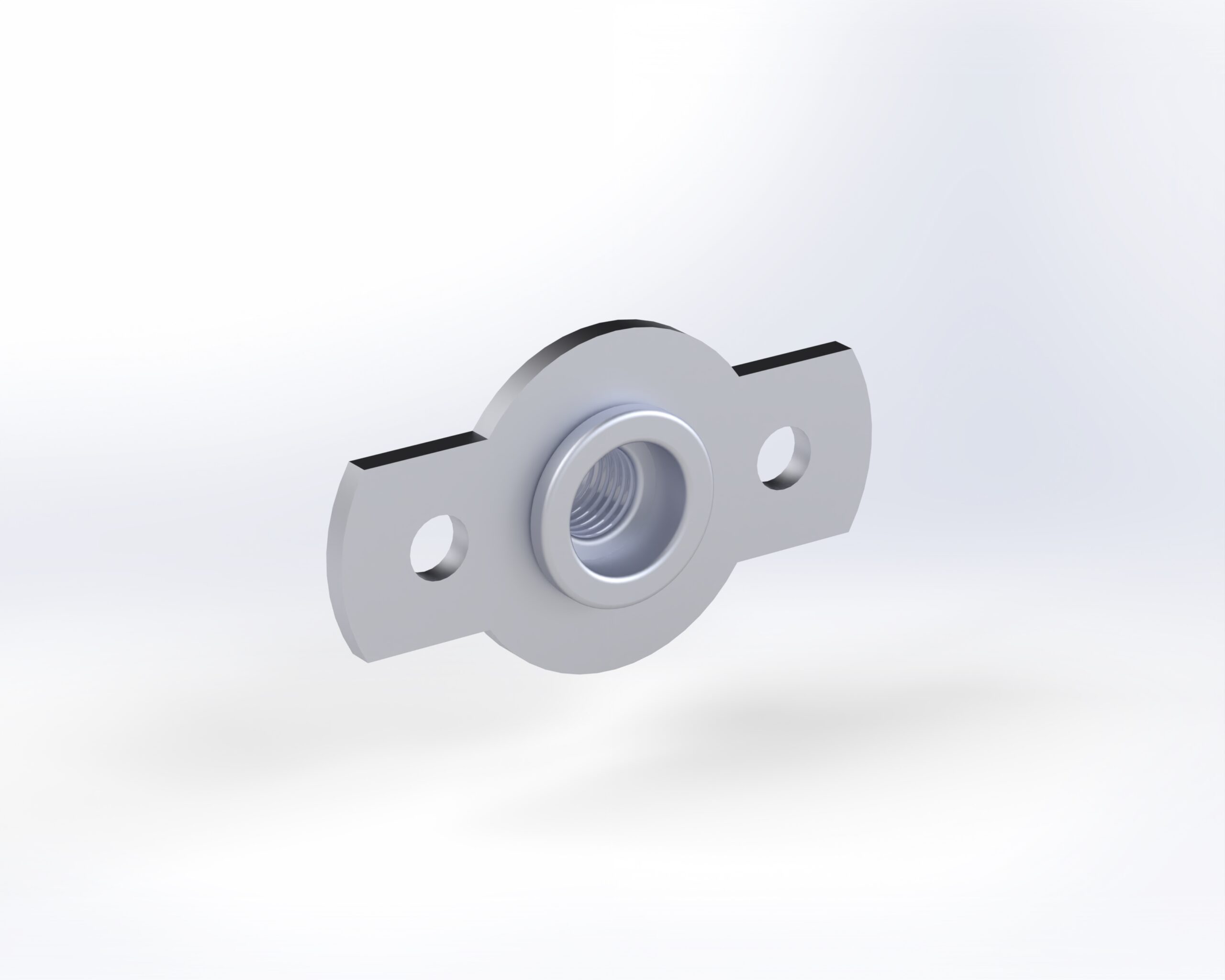
What is the difference between M6VDS and M8VDS?
The core difference between M6VDS and M8VDS is thread size. Select according to the M6 or M8 bolt, the furniture hole and mating-part geometry; M8 is not automatically the correct choice for every application.
Read guide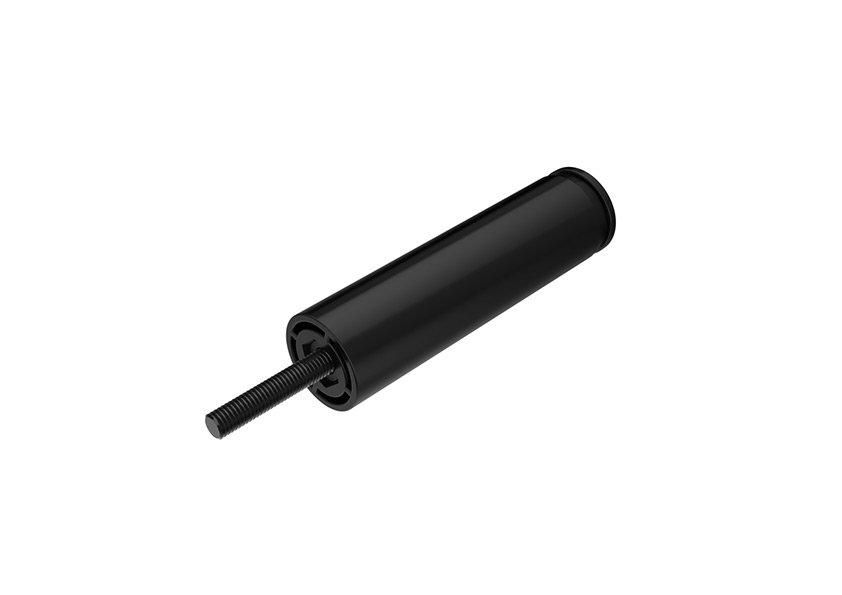
How is an adjustable support leg selected?
The Adjustable Support Leg is selected within a 120-200 mm range. Use the screw version for a suitable threaded connection, the flange version for a broad mounting surface, and the screw + flange version when both connection methods are required.
Read guide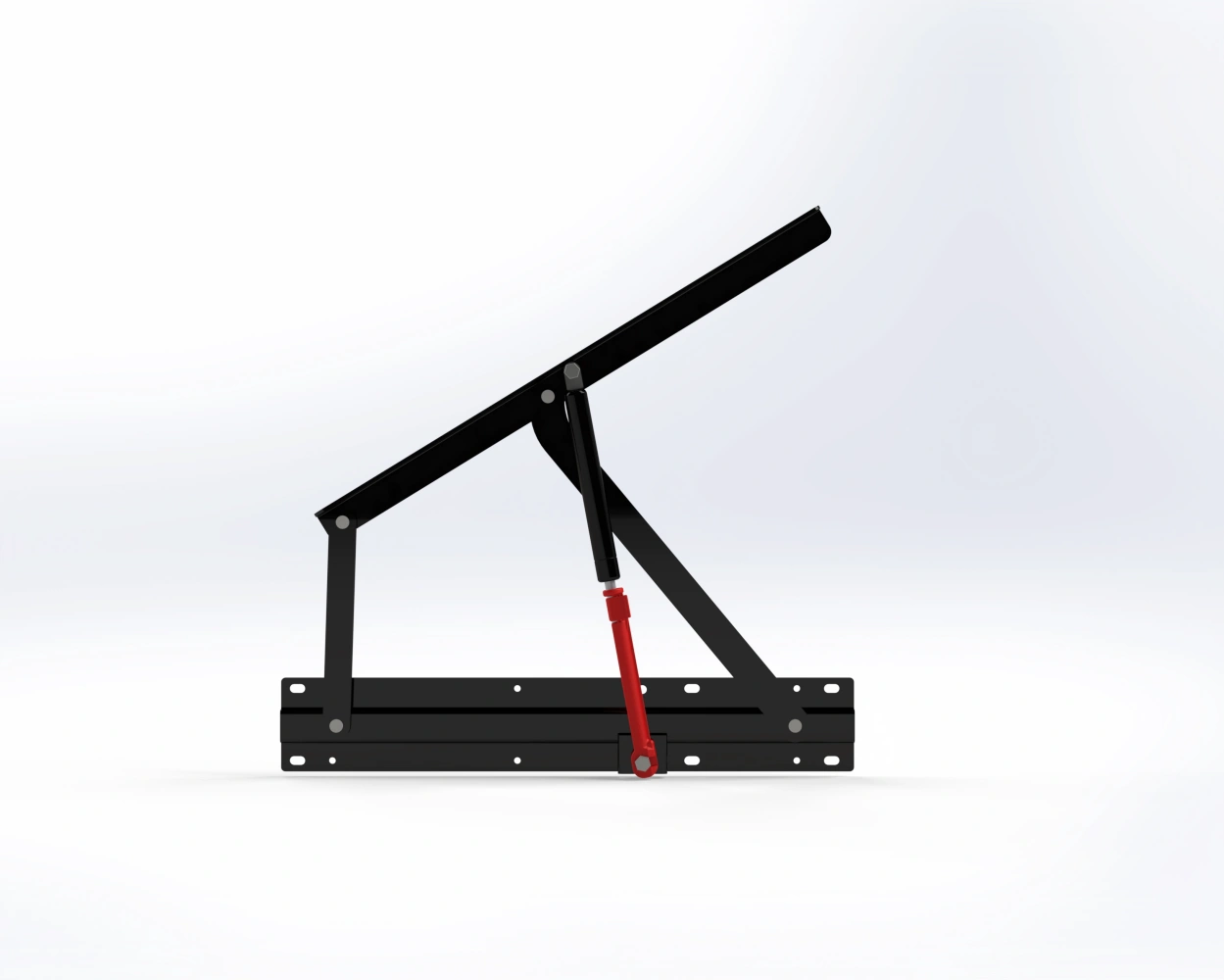
Care and use of furniture mechanisms
Keep the mechanism clean and dry, visually check fasteners for loosening and deformation, and inspect assembly and component condition before continued use if movement becomes difficult. Do not apply lubricants or interventions not specified in the technical documentation.
Read guideTECHNICAL SUITABILITY